Preview Diwali decor in your living room
Diwali decor is one of those buys where you stack 8 separate things from Amazon.in and only see the result after they all show up. PlopIt previews the full setup — lights, torans, diyas, rangoli — in your actual living room before any of it leaves the warehouse.
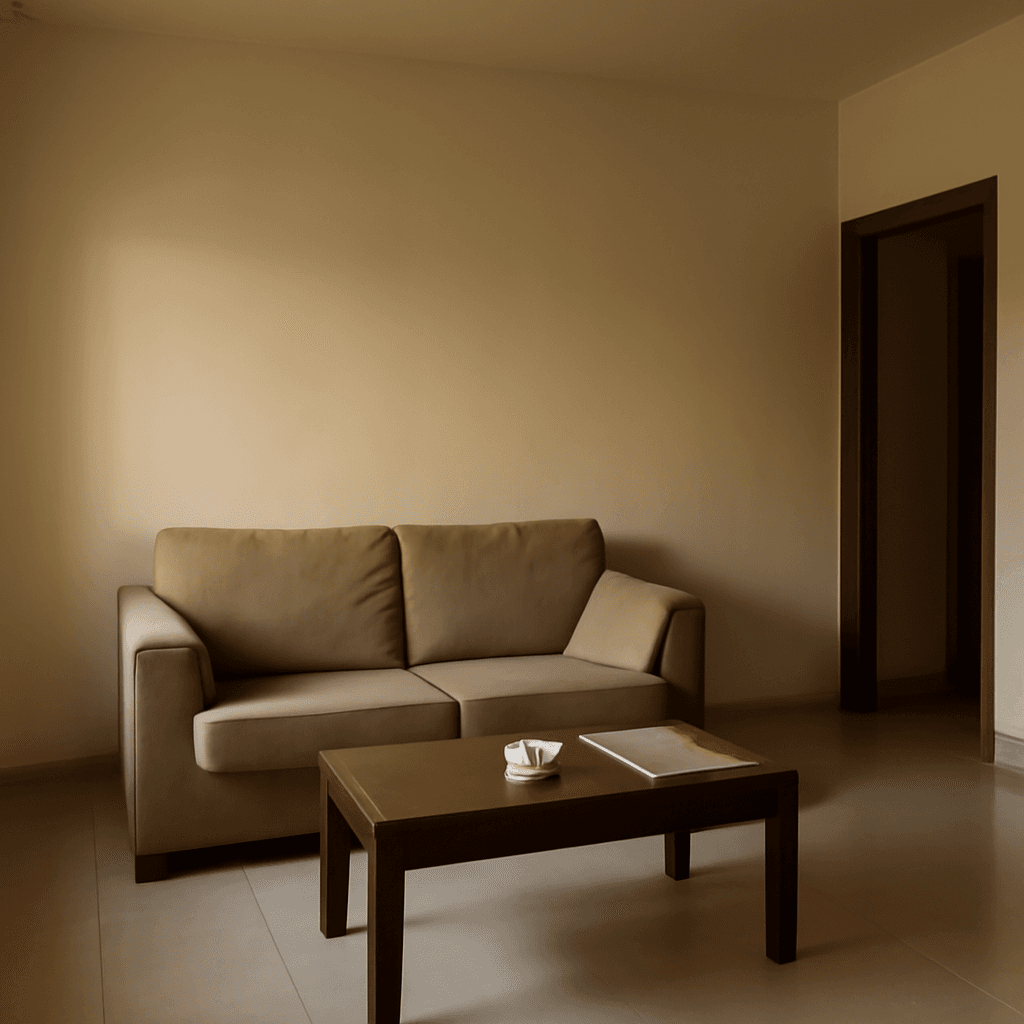
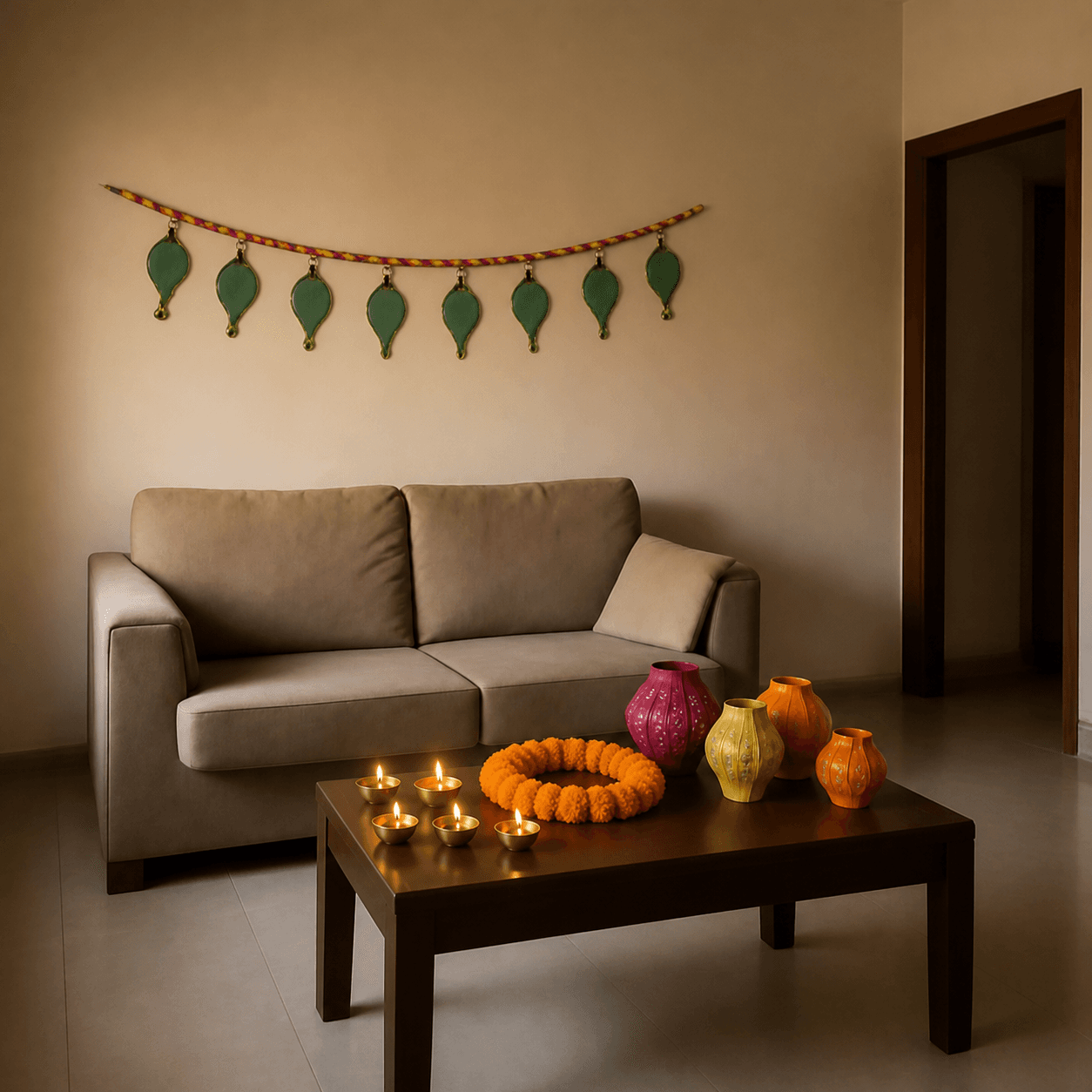
What this preview is solving
- See the full festive setup against your real room
- Catches over-buying or under-decorating before the order
- Works with bundled Amazon.in product pages
How to try this with your own room
- 1Snap a photo of your space — phone camera is fine. Good light helps.
- 2Paste an Amazon link or upload the product image you're considering.
- 3PlopIt drops the product into your room at the right scale and lighting.
Other demos to explore
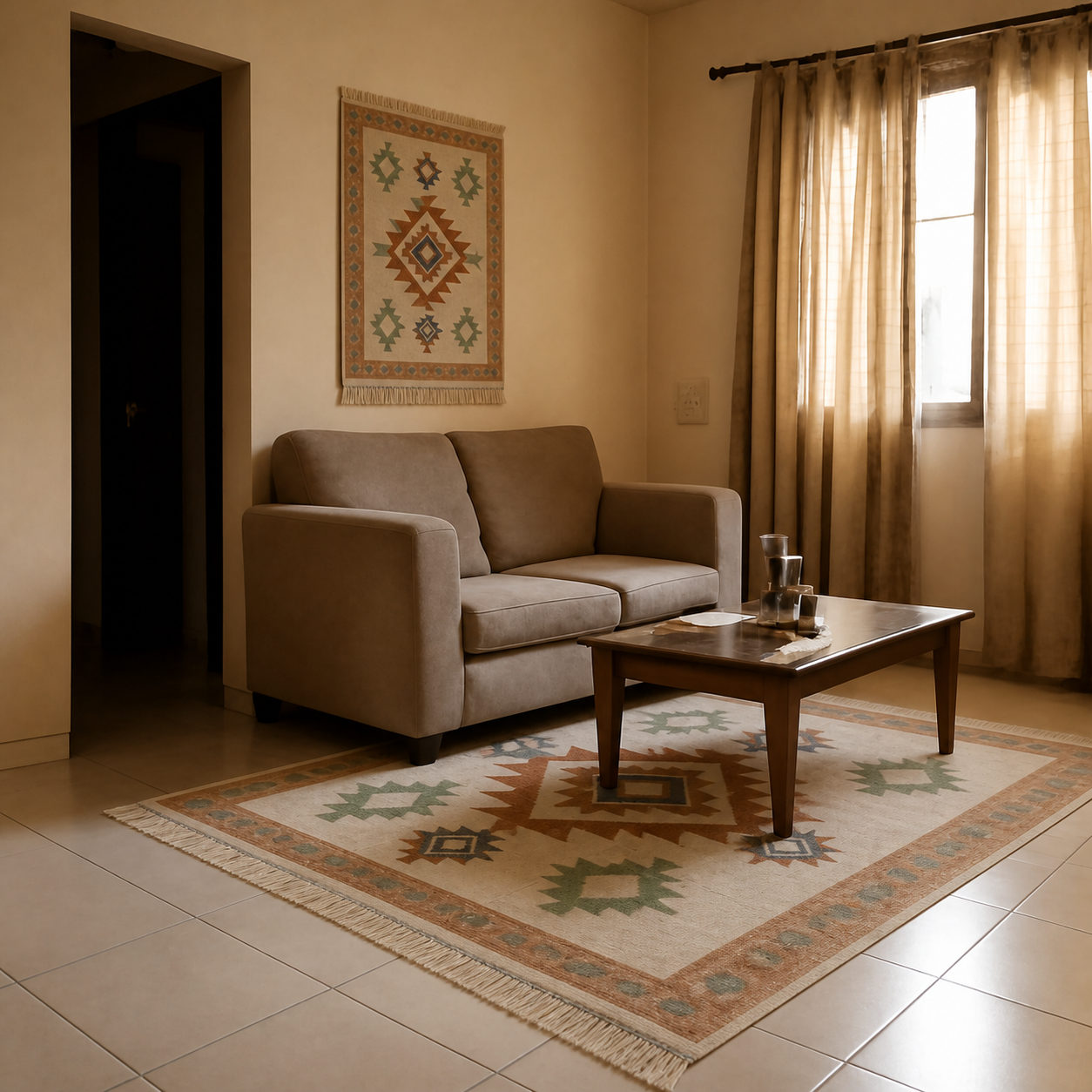
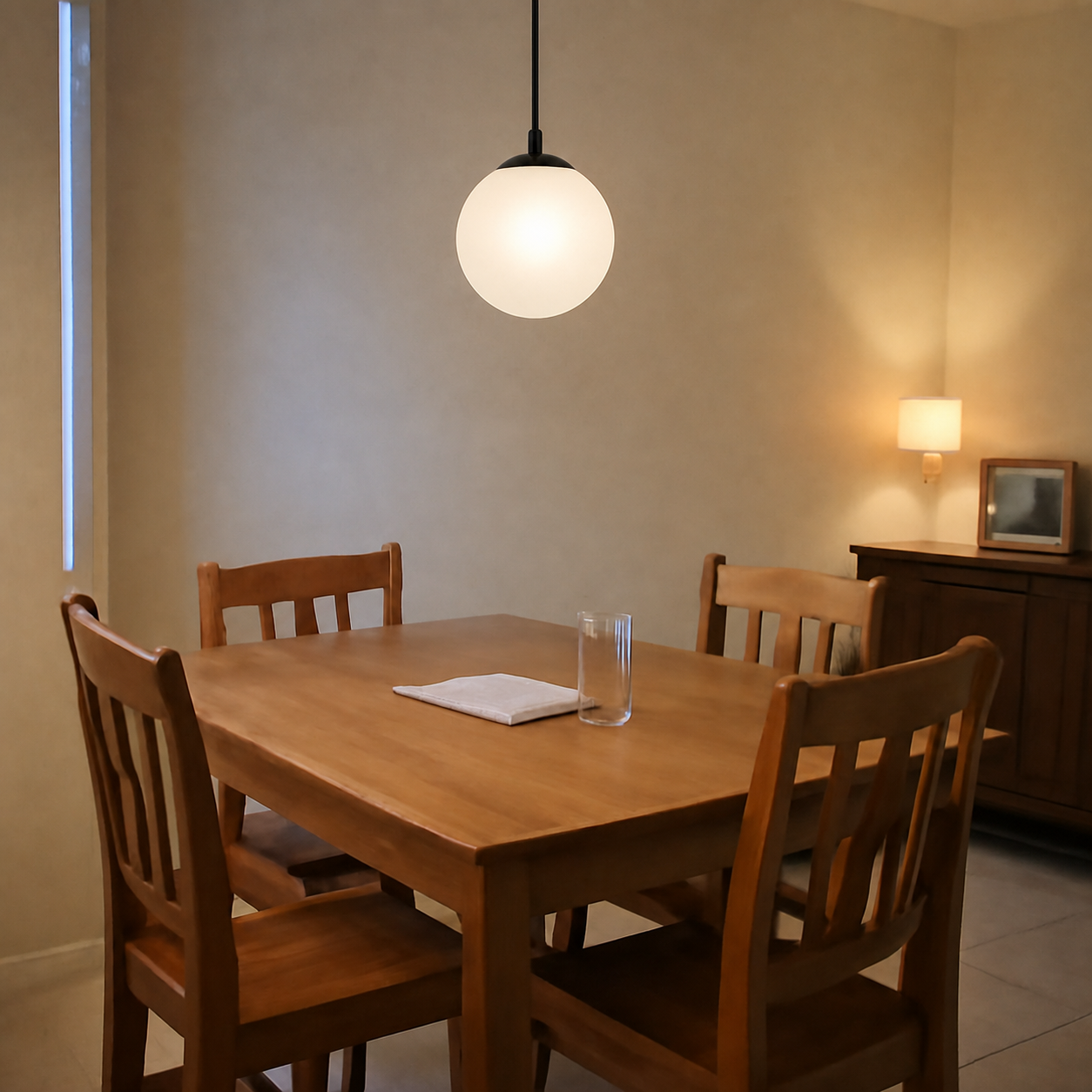
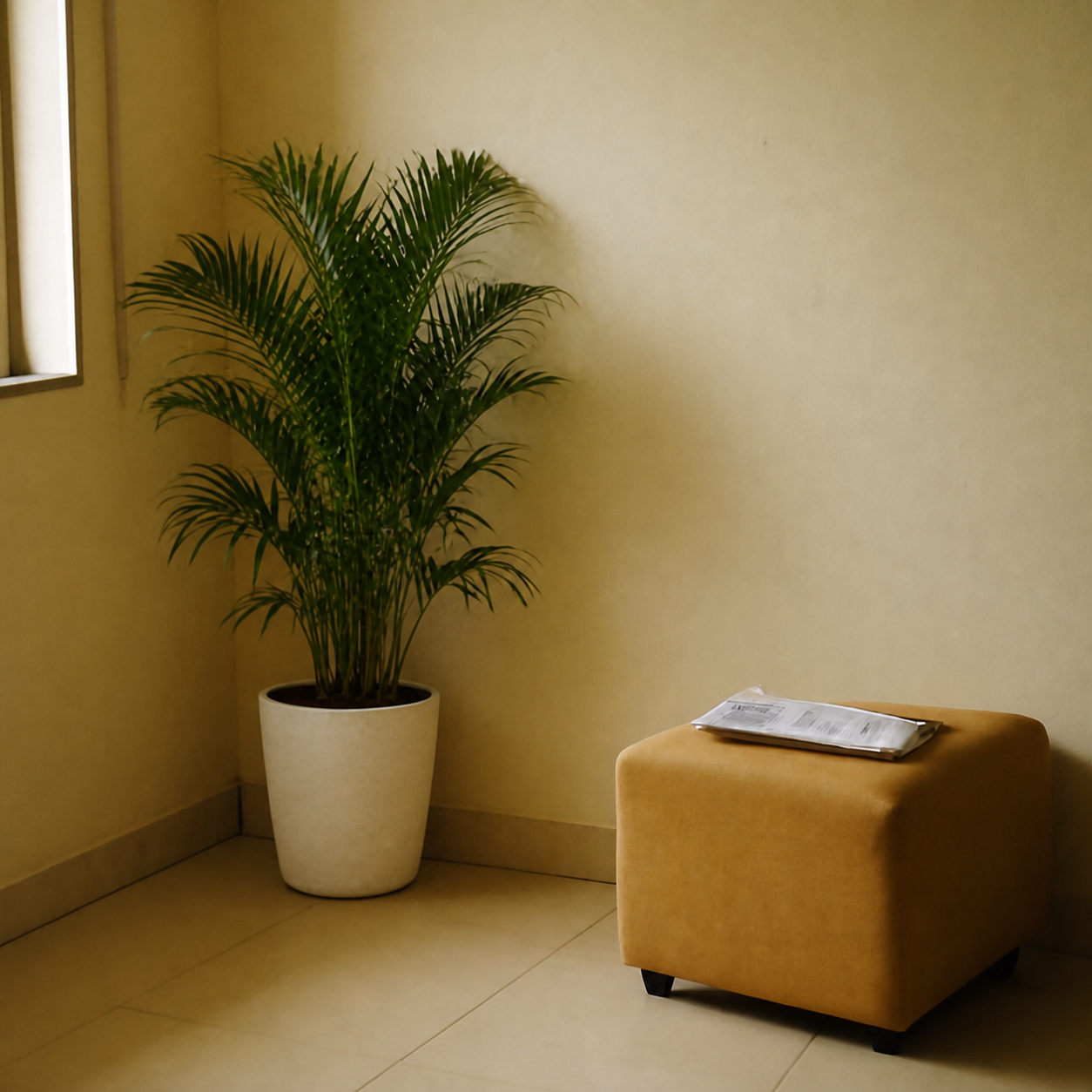
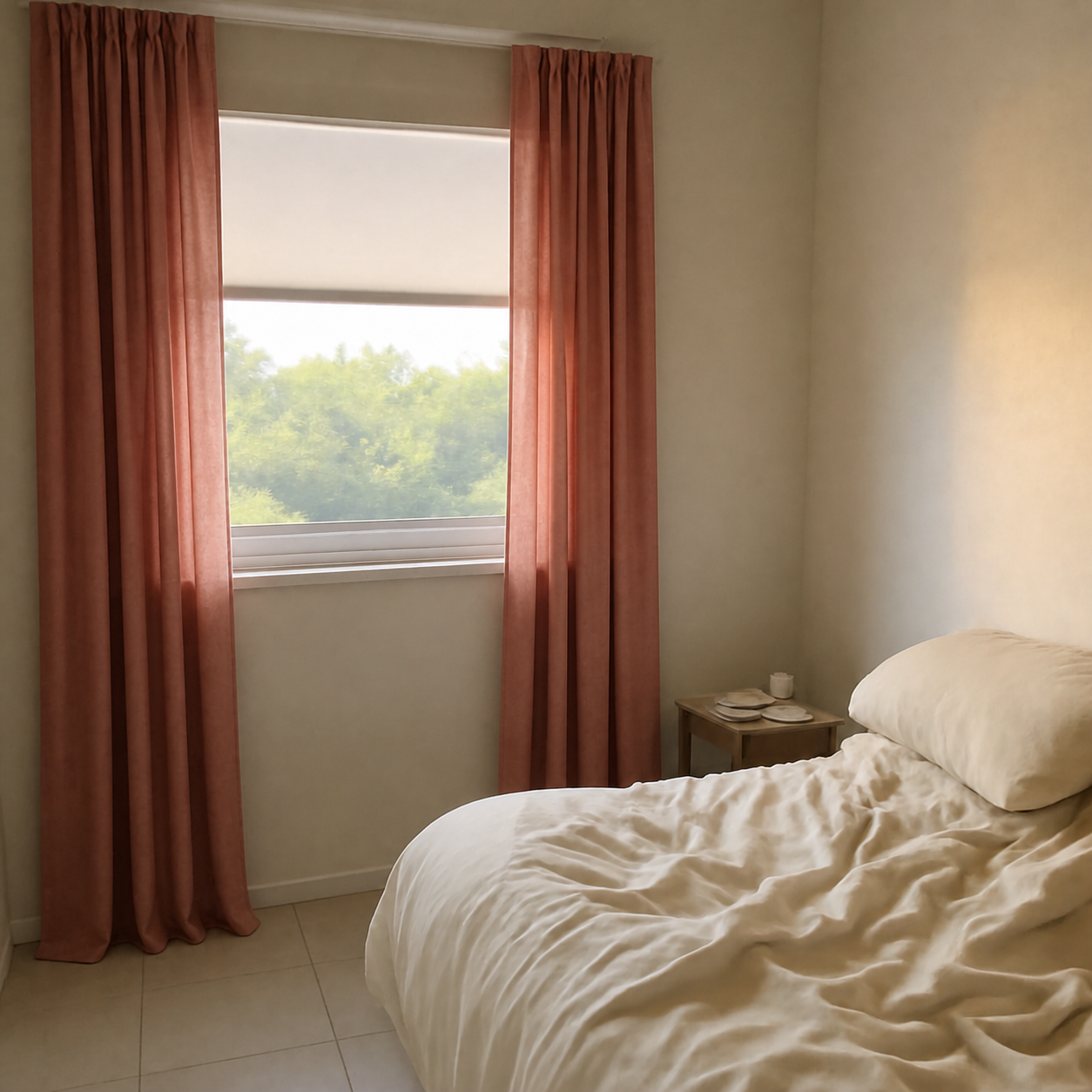
Frequently asked questions
When should I order Diwali decor online?
Aim to place orders at least 2-3 weeks before Diwali. Amazon.in and other marketplaces get flooded with festive orders in the last week and delivery slips happen — especially for bigger items like wall hangings and toran sets. Diyas and small lights tend to sell out earlier each year as more people decorate.
How much should I budget for Diwali decorations?
A basic refresh — fresh diyas, one set of fairy lights, a toran, a rangoli stencil — runs roughly Rs 1,500-3,000. A bigger setup with backdrop curtains, multiple light strings, marigold garlands, and a designer rangoli can run Rs 5,000-15,000 or more. Reusing decor from previous years brings the number down significantly.
Can I preview Diwali decorations in my home before buying?
Yes — PlopIt lets you upload a photo of your living room and an Amazon.in link or product image of the decor you're considering. It composites the full setup into your real room so you can see if the lights wash the wall the way you wanted, if the toran sits right above the doorway, and whether the rangoli design matches the floor.
What's the difference between rice lights and fairy lights for Diwali?
Rice lights are small steady-glow bulbs strung close together on a thin wire — better for outlining doorways, windows, and shelves. Fairy lights have wider spacing and often come with twinkle or color-change modes, which works better for filling larger areas like backdrops or wrapping trees. Most Diwali setups use both for different zones.