Preview a plant in your living room corner
A 6-foot fiddle leaf fig fills a corner like a piece of furniture — a 3-foot one disappears into the wall. PlopIt places the plant at the exact size you're buying, in your actual corner, so the photo on the listing isn't doing the imagining for you.
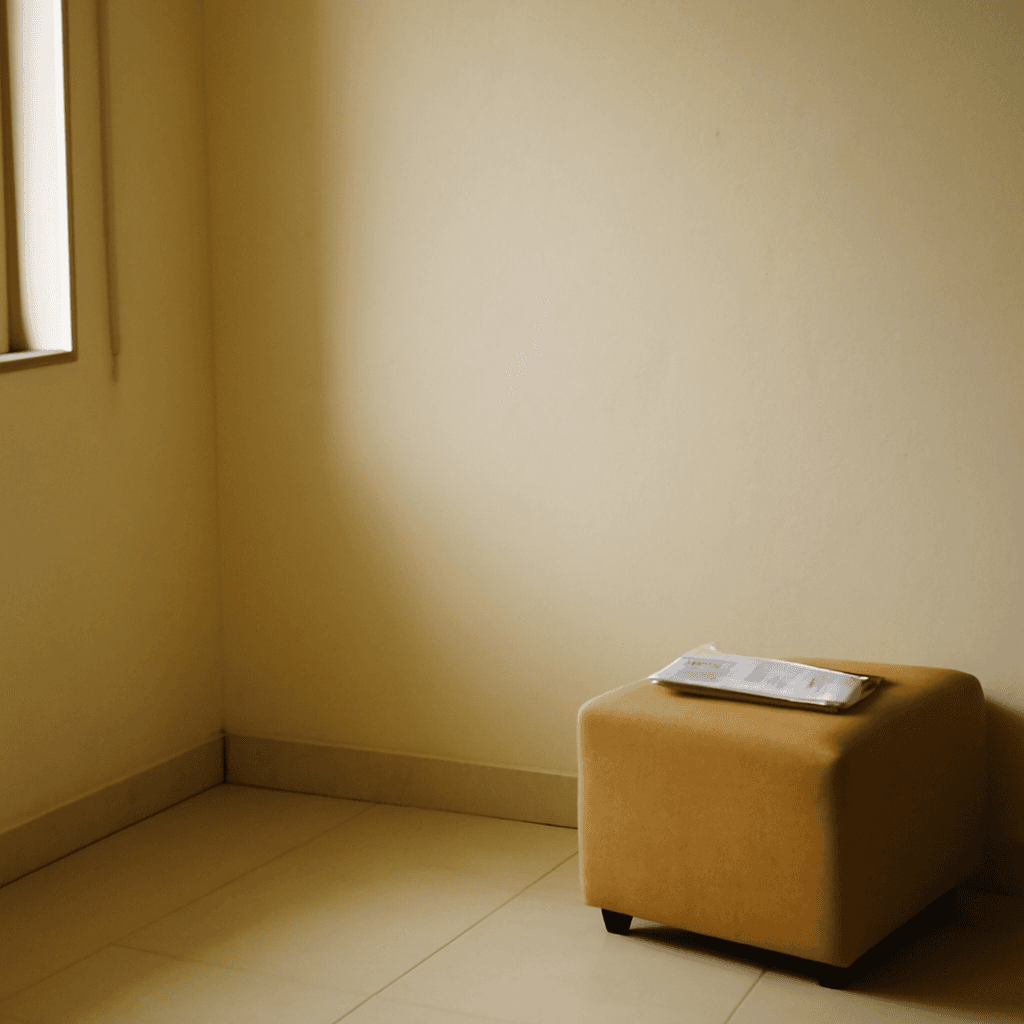
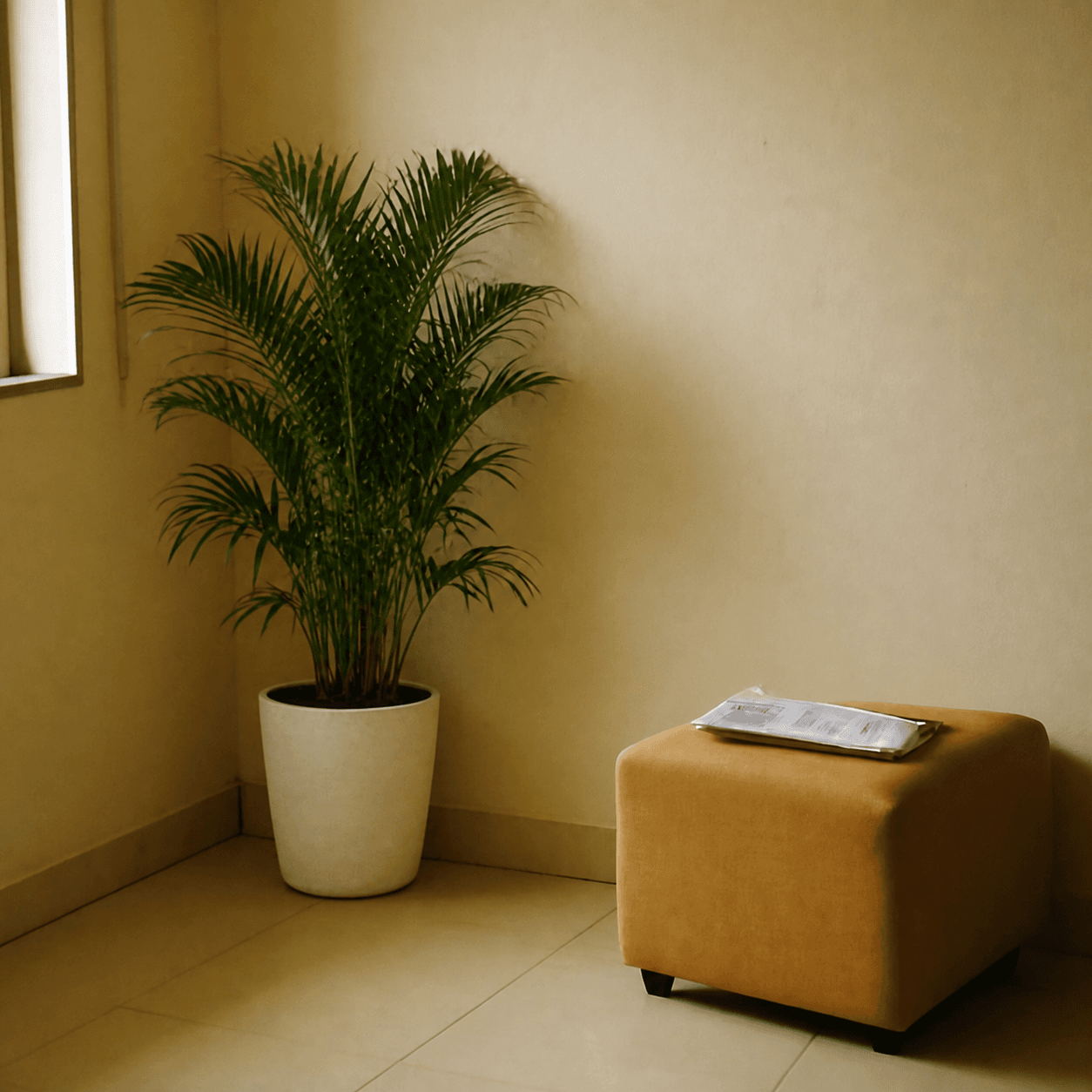
What this preview is solving
- Catches the tiny-plant-in-the-big-corner mistake
- Pot color + planter style shown against your real wall
- Compare a fiddle leaf vs. monstera vs. olive tree in your space
How to try this with your own room
- 1Snap a photo of your space — phone camera is fine. Good light helps.
- 2Paste an Amazon link or upload the product image you're considering.
- 3PlopIt drops the product into your room at the right scale and lighting.
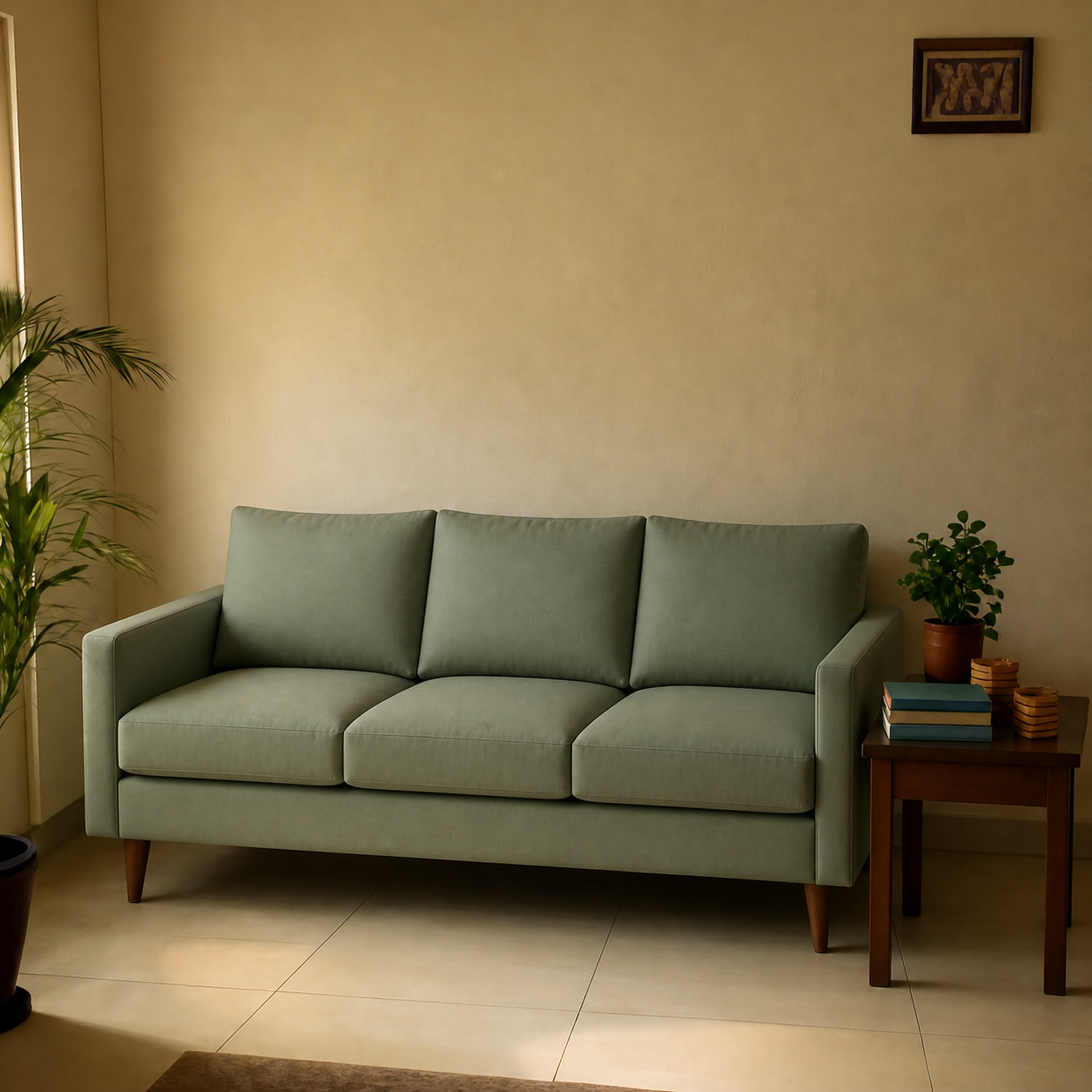
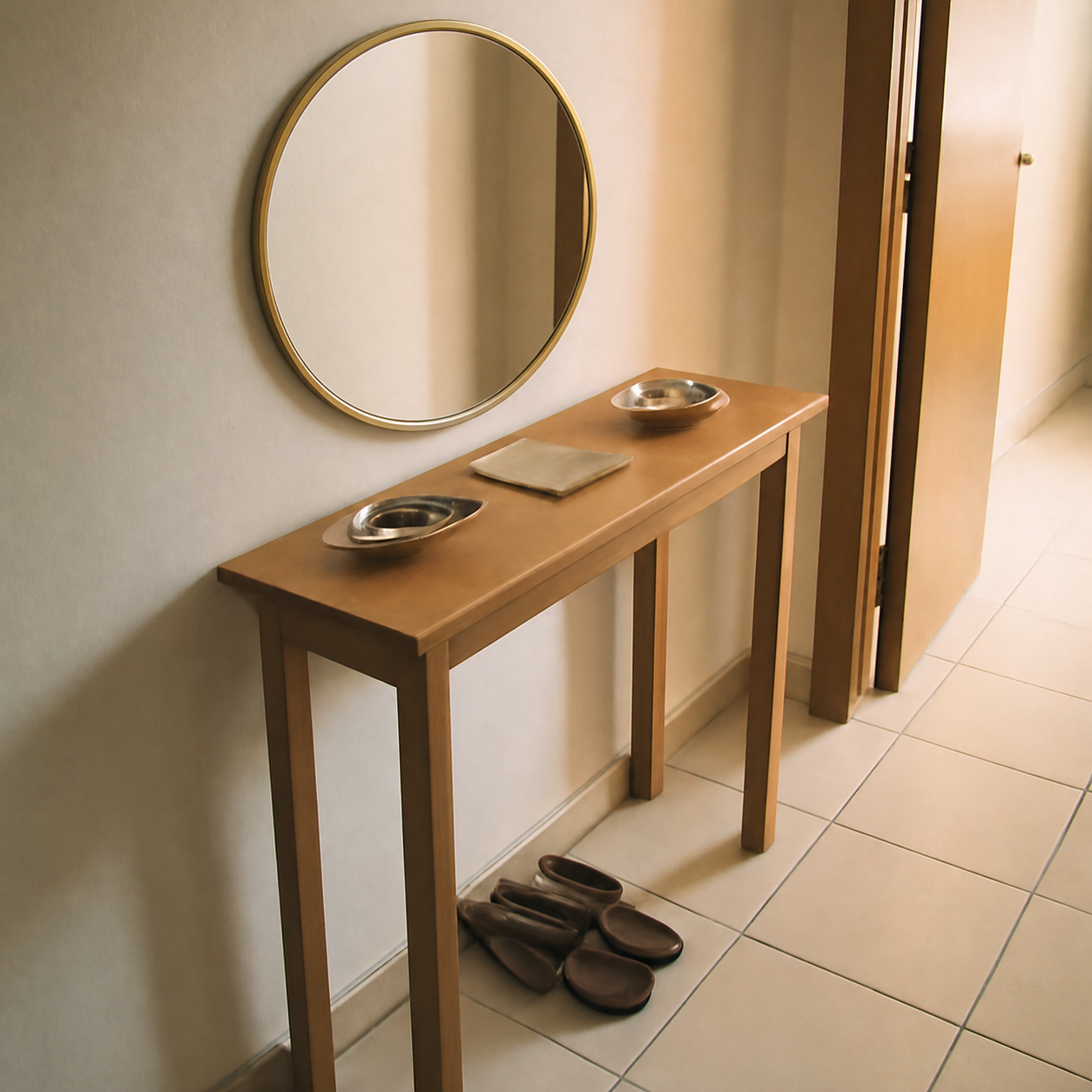
Other demos to explore
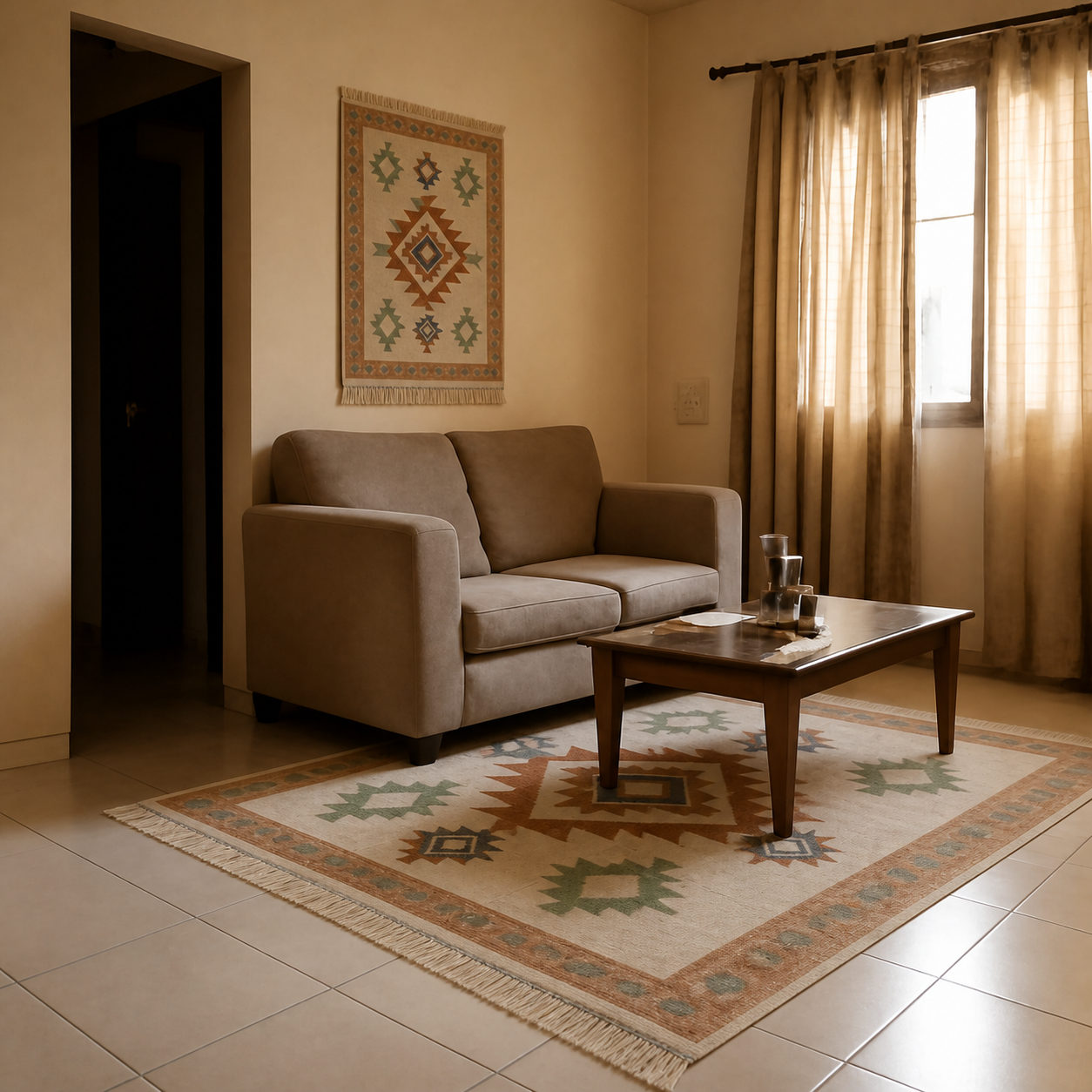
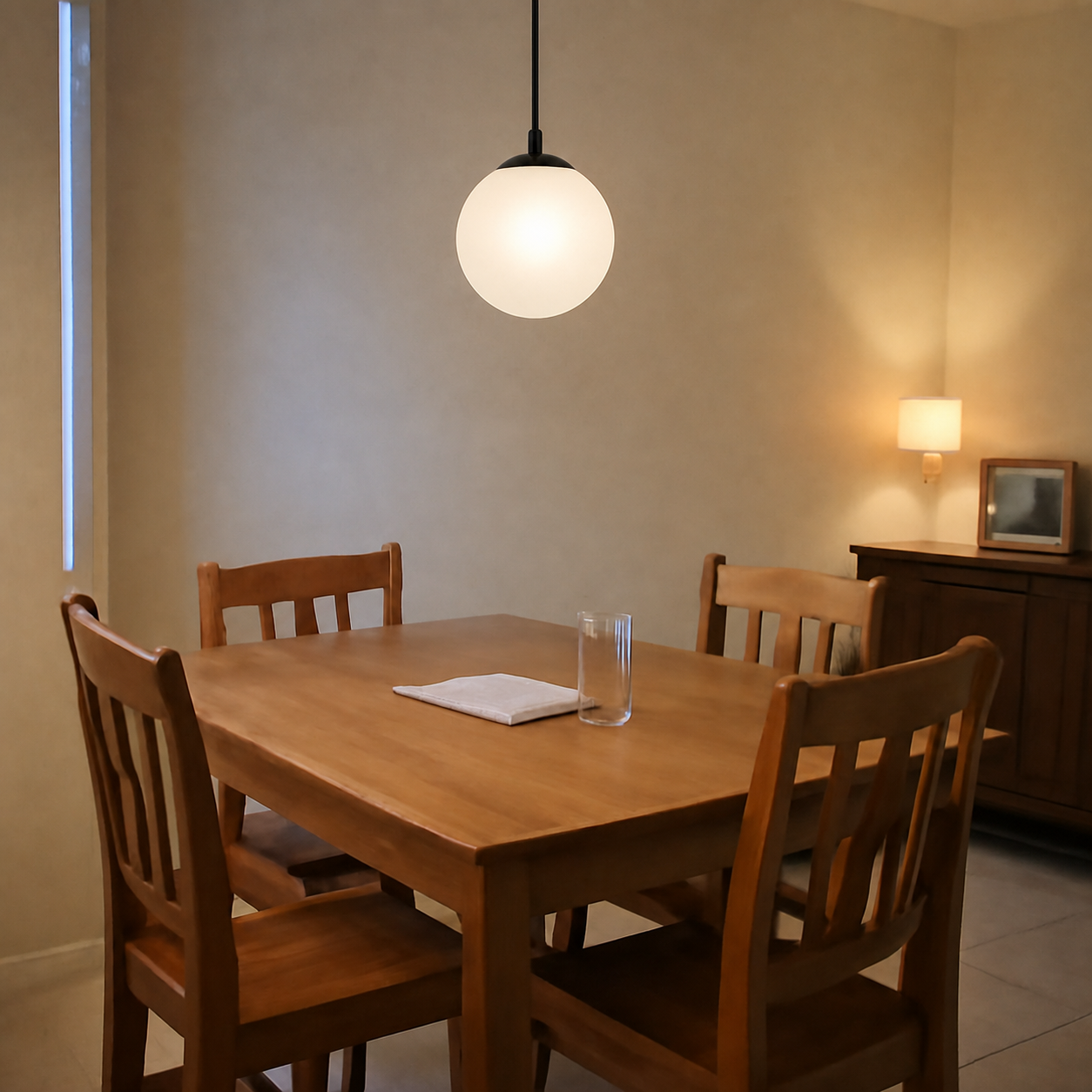
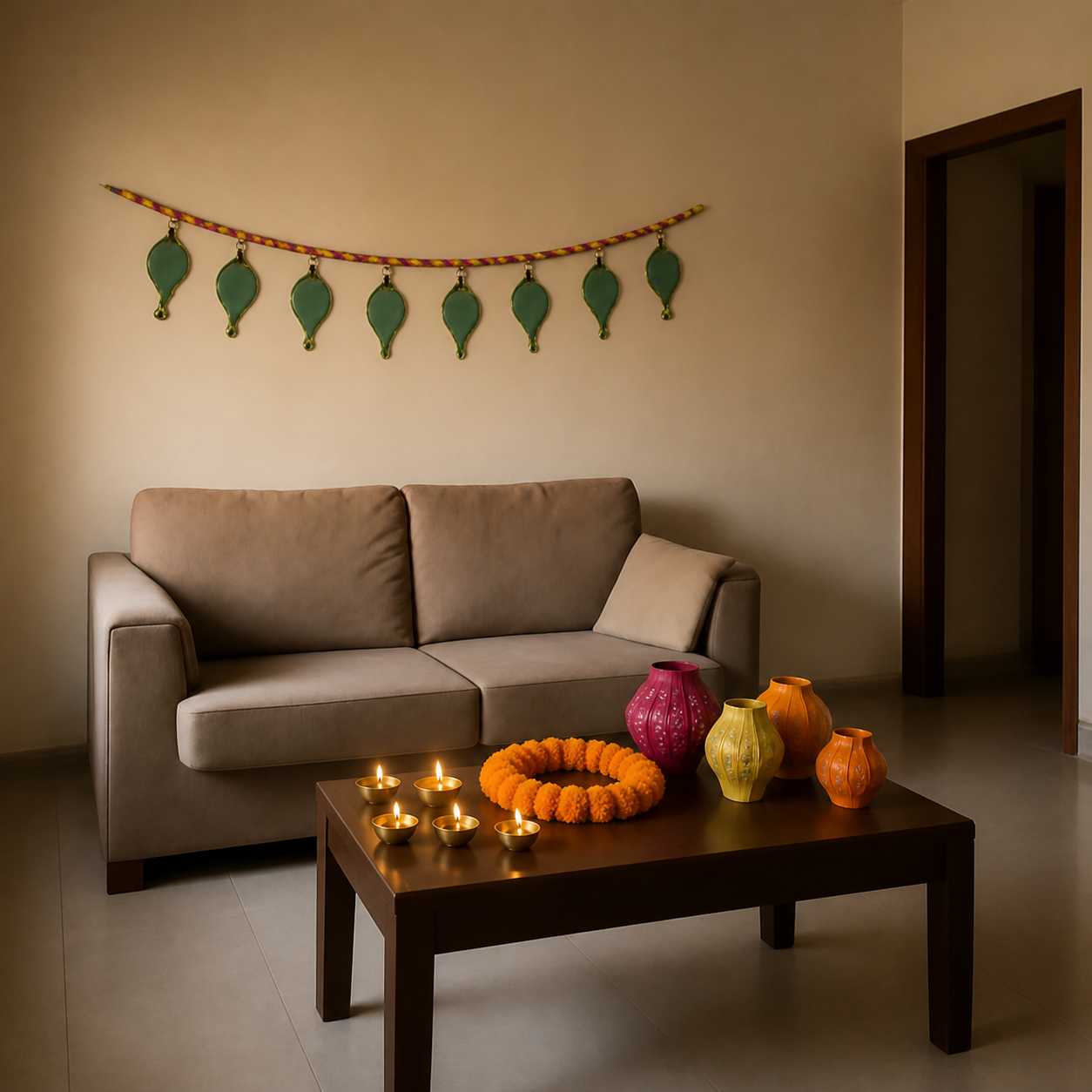
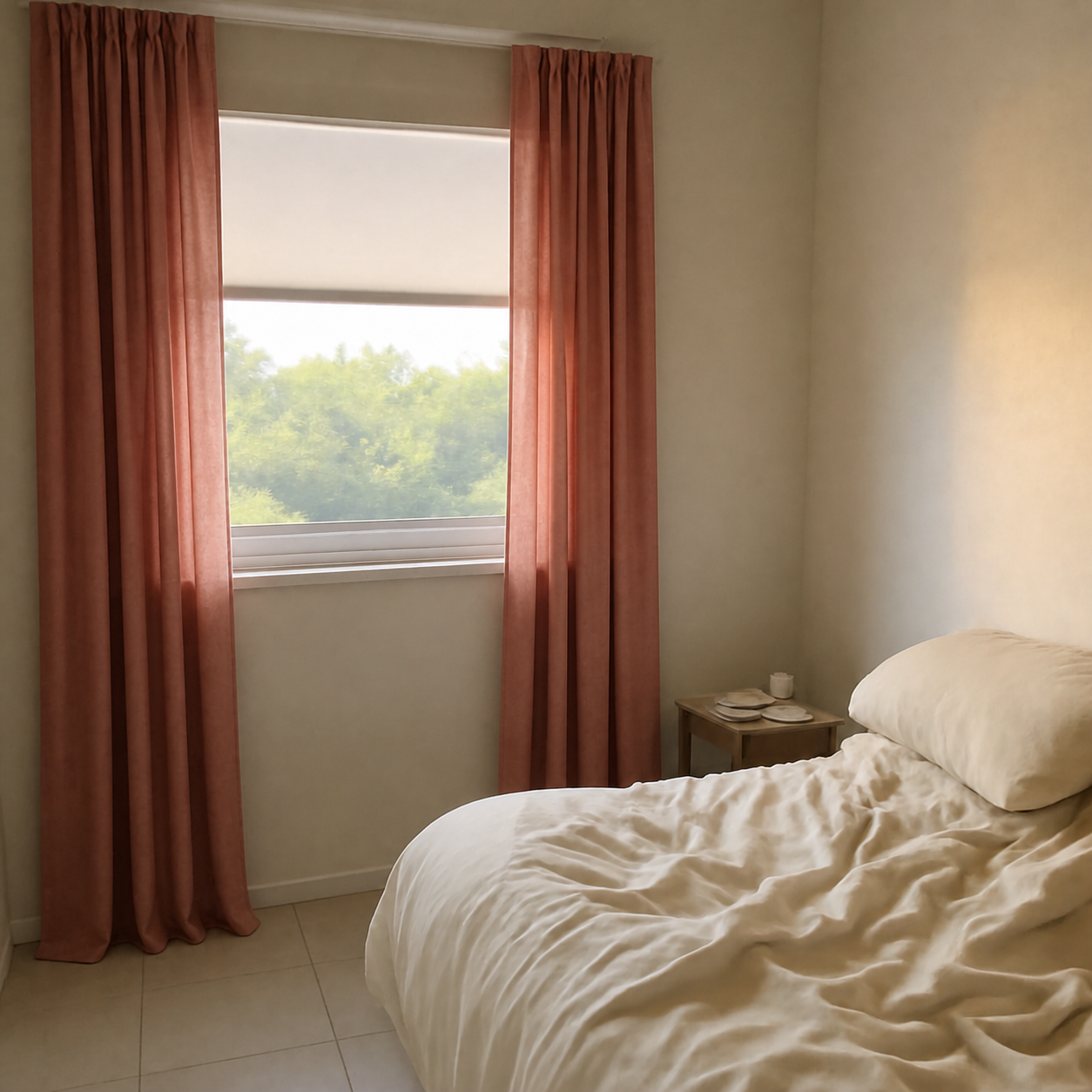
Frequently asked questions
What is the best tall plant for a living room corner?
Fiddle leaf figs, olive trees, bird of paradise, and Monstera deliciosa are the popular four. Fiddle leaves want bright indirect light and can sulk if moved; olive trees handle drier air better; bird of paradise needs the most light; Monstera is the most forgiving for first-time owners. The lighting in your corner usually decides the right pick.
How big should a plant be for a corner of the living room?
For an 8-foot ceiling, a plant in the 5-7 foot range fills the corner without looking sparse. Anything under 4 feet tends to disappear unless it's on a plant stand. Width matters too — a tall but skinny plant looks lonely in a wide corner, where a fuller silhouette like a Monstera or bird of paradise reads better.
Will a fiddle leaf fig survive in my living room?
Fiddle leaf figs need bright, consistent indirect light and don't like drafts or being moved. If the corner gets several hours of bright light from a nearby window and the room stays a stable temperature, they can do well for years. Dark corners or rooms with big temperature swings will make them drop leaves within weeks.
Can I see how a tall plant will look in my corner before buying?
Yes. Upload a photo of the corner and the plant's product image or link to PlopIt, and the preview shows the plant at the listed height in your actual space. Useful for catching the "this plant is shorter than I thought" problem that happens when you only see the plant in the seller's staged photo.